 Web HostingMost affordable shared hosting from TZS 9,100 per year
 Dedicated ServersExperience unmatched power and control with a physical server in Tanzania.
 WordPress HostingHigh-Speed, Tanzania-Optimized WordPress Hosting
 Windows HostingOptimized for Windows-based applications and websites
 cPanel HostingUser-friendly hosting powered by cPanel
 Email HostingProfessional Tanzanian email hosting for your .co.tz domain (Secure, reliable, and Swahili-supported)
 Reseller HostingLaunch your own hosting business with minimal technical requirements
 Affiliate ProgramEarn referral commissions by promoting our services
 DomainsFind and register available domain names in seconds
 Domain TransferMove your domain to us with zero downtime and full control
 .co.tzSecure the trusted .co.tz domain made for Tanzanian businesses.
 .tz DomainClaim the official .tz domain for national trust and recognition.
 .com DomainSecure the trusted .com domain for Tanzanian businesses.
 Supported Tlds (glTLDs and ccTLDs)Browse and register domain extensions from around the world
 Whois Lookup | Find Out Who Owns a DomainLook up domain ownership, expiry dates, and registrar information
 VPS
VPS VPS Hosting TanzaniaDedicated resources. Tanzanian performance. Full server control.
 Managed VPS TanzaniaNot a tech expert? Choose a managed Tanzania VPS.
 Website BuilderEasily build beautiful websites with drag-and-drop simplicity.
 Online ShopLaunch a professional e-commerce store without writing code.
 BlogFind latest business, marketing, and tutorials
 Contact UsContact Truehost TZ | 24/7 Web Hosting Support
What if I told you your website could lose customers before it even finishes loading? Sounds painful, right?
In Tanzania, where every second online counts, a slow or unstable website isn’t just annoying but also expensive.
Imagine someone clicking your store link, waiting five seconds, then leaving to buy from your competitor. That’s traffic, trust, and money gone.
That’s why choosing the right dedicated server hosting plan is key, but many people tend to overlook it.
The perfect dedicated server hosting gives you full control, speed, and reliability so your site can handle growth without breaking a sweat. So, if you want your business to stand tall online, this is where it begins.
Read this guide to discover exactly how to choose the best dedicated server hosting that makes your site faster, safer, and unstoppable.
How to Choose the Right Dedicated Server Hosting Plan (Step-by-Step)

Lost a sale while your site was still loading? That hurts, and it happens more often than you think.
A slow or unstable server silently drains your traffic, your reputation, and your revenue. That’s because every second a page delays, visitors lose patience and move on.
But I’ve the solution! Choosing the right dedicated server plan.
Here’s how you can do that in 13 quick steps.
1) Define What the Server Must Handle
Before you look at specs, understand what your server must do. A plan that works for a small blog will fail for an online store with heavy traffic.
Start by asking yourself key questions:
- How many visitors does your site get daily?
- What apps or software will run on the server?
- Will you host email, databases, or just the website?
Write it all down. Include:
- Average and peak visitors
- The type of apps or software
- Storage needs in GB or TB
- Expected growth over the next 6 to 12 months
These details directly determine the CPU, RAM, and storage you need. For example, a small business site may need just 4 cores and 8 GB RAM, while a video streaming platform could require 12 cores and 64 GB RAM.
In short, knowing exactly what your server must handle keeps you from overspending or choosing a plan that cannot scale. It also makes it much easier to evaluate the performance, network, and security that your website needs.
2) CPU, RAM, and Storage – The Performance Trio
The CPU is your server’s brain. It processes requests and runs applications.
RAM is its short-term memory. It keeps everything running smoothly. Then, storage is where all your data lives. The faster the storage, the quicker your site loads.
When choosing, consider SSD or NVMe storage. These are much faster than traditional HDDs and improve page speed.
Plus, more RAM is crucial if you handle high traffic or run multiple apps at the same time.
Here’s a practical guide for different needs:
- Small website: 4 CPU cores, 8–16 GB RAM, 250–500 GB SSD
- Growing online store: 8 CPU cores, 32 GB RAM, 500 GB–1 TB NVMe SSD
- Enterprise apps or heavy databases: 12+ CPU cores, 64+ GB RAM, NVMe RAID
However, always ask your host for performance benchmarks or real-world load tests.
Keep in mind, speed is your first impression online, and slow responses cost visitors, reputation, SEO, and sales.
3) Network, Bandwidth, and Latency
A fast server alone is not enough. Your users also need to reach it quickly. Thus, the need to factor in network, bandwidth, and latency when hunting for a dedicated server.
Bandwidth is the total data your server can transfer each month, while network speed is how quickly that data moves.
On the other hand, latency is the small delay before your site responds to a user’s request.
For Tanzanian users, choose servers with strong connections to East Africa. For example, at Truehost, we have a server for this purpose, hence why we stand out as the best hosting company in Tanzania.
Our servers are fast with a well-connected network that keeps visitors happy, reduces bounce rates, and improves conversions.
4) Uptime Guarantee and SLA
Uptime shows how reliable your server really is. It measures how long your site stays online without interruption.
So aim for at least 99.9 percent uptime. Otherwise, anything lower can cost you visitors and sales.
Moving on, the SLA(Service Level Agreement) spells out exactly what the host promises. It should include details on downtime, response times, and compensation if the server fails.
Just know, every hour your site is down affects revenue and trust. However, choosing a host with a clear SLA protects your business and peace of mind.
5) Support Availability and Channels
Even the best server can run into problems. But when it does, fast support makes all the difference.
I’ve seen businesses lose entire weekends waiting for an email reply. Don’t let that happen to you.
Instead, choose a host that offers 24/7 support. Live chat and phone support are ideal because email alone can be slow.
So, ask these questions before committing:
- Is the support team local or global?
- What is the average response time?
- Do they offer managed support for server issues?
Thankfully, at Truehost, we provide round-the-clock assistance. We understand servers do not wait for office hours, and neither should your support.
6) Managed or Unmanaged Hosting
Hosting comes in two types: managed and unmanaged.
Managed hosting means the provider handles updates, security patches, and backups for you. On the flip side, unmanaged hosting leaves everything in your hands.
That means, if you are not comfortable managing a Linux server, managed hosting is the safer choice. It costs more, but it saves stress and prevents costly mistakes.
However, if you are tech-savvy or have an IT team, conversant with server management, Unmanaged dedicated server hosting is the deal. It costs less and gives you the full control you need for your site.
7) Security and Compliance
Hackers do not care whether your business is small or large. In short, your website needs strong protection, whether a small shop site or an e-commerce platform.
So, look for these essential security features on the dedicated server you choose:
- DDoS protection to prevent attacks that overwhelm your server
- Firewalls to block unauthorized access
- Regular security updates to patch vulnerabilities
- SSL certificates to encrypt user data
- Off-site backups to safeguard critical files
If you accept payments, make sure the host supports PCI compliance. Also, confirm they follow basic data protection laws relevant to your region.
8) Backup Policy and Disaster Recovery
Backups are your safety net when things go wrong. They should run automatically and be stored off the main server.
Therefore, ask the host about how often backups are made, how long they are kept, and how fast they can be restored. If possible, test a backup restore before you commit to the provider.
With a solid backup plan ensures your business can recover quickly from accidents, errors, or attacks. Without it, even a small problem can become a major disaster.
9) Control Panel and Access
A control panel can make managing your server much easier. Most people prefer cPanel or Plesk because they simplify tasks like setting up websites, emails, and databases.
Keep note of some providers that only offer SSH root access. That works if you are technically skilled, but beginners may struggle.
In summary, choose a control option that matches your experience level. A good interface saves time, reduces errors, and keeps your server running smoothly.
10) Scalability and Upgrade Options
Your business will grow, and your server should grow with it. Therefore, ask the host how easy it is to upgrade resources.
Can you add more RAM or storage without causing downtime? Can you scale to multiple servers when traffic spikes? These question needs clear answers before committing to the provider.
Ideally, a provider that supports smooth scaling ensures your website stays online and performs well, even during sudden growth or peak traffic periods.
11) Price and Total Cost
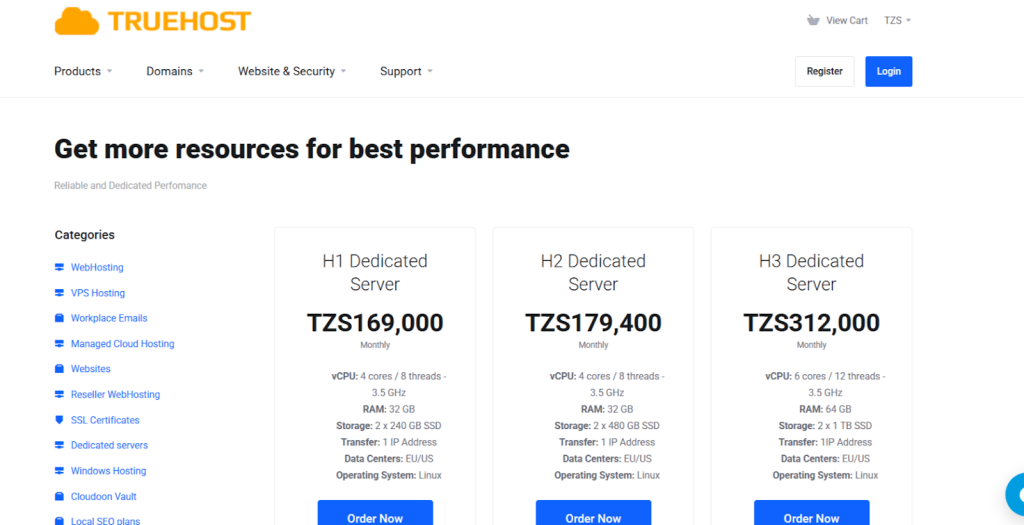
It’s economical to consider affordable dedicated server plans, but be careful because cheap plans can hide hidden costs.
Always ask for a full breakdown of the prices when not sure why the prices may look costly. Check for setup fees, bandwidth limits, renewal prices, and support tiers
In Tanzania, dedicated server prices vary widely. Small setups can start around a few hundred thousand TZS, while enterprise servers can cost much more depending on specs and management.
Of course, focus on value, not just the sticker price. The cheapest option today may end up costing more in downtime, upgrades, or extra fees.
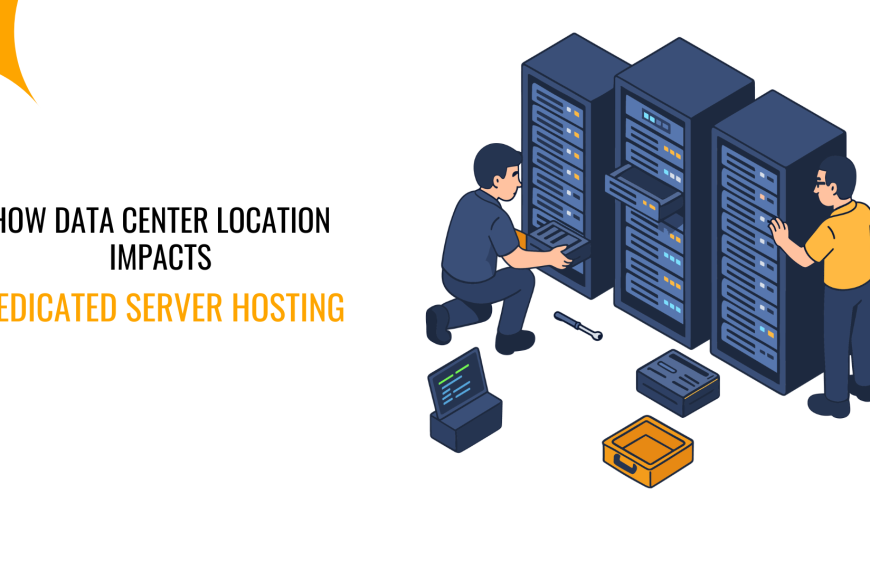
12) Data Center Location and Local Presence
The location of your server directly affects how fast your website loads. If most of your users are in Tanzania, choose a data center close to East Africa.
A local or nearby provider reduces latency and improves performance. Connections from Dar es Salaam to Nairobi or Johannesburg can also work well for regional audiences.
Plus, ask if the provider has a presence or partner network in Tanzania. Having local support can make a significant difference in response times and troubleshooting.
13) Reputation and Reviews
Never rely solely on a provider’s claims. Check what other users are saying about their service.
Look at Tanzanian tech forums, social media groups, and independent review sites like Trustpilot. Also, ask the provider for client references or examples of live sites they host.
Typically, a strong reputation and consistent reliability matter more than flashy discounts.
Frequently Asked Questions (FAQs)
1) What is the best dedicated hosting service?
The best dedicated hosting service depends on your website’s needs. Look for high uptime, strong performance, and reliable support.
For Tanzanian users, low latency to East Africa is crucial. Otherwise, a server far away may slow your site and frustrate visitors.
The good thing is that at Truehost, we say we are the best dedicated hosting service, because we offer these and more.
2) How do I choose the right server?
Start by listing your website traffic, storage, and growth expectations. Know how many visitors you get and which apps you run.
Next, match your server’s CPU, RAM, and storage to those needs, keeping in mind that underpowered servers slow down your site and affect user experience.
Finally, consider future growth. Choose a plan that can scale easily without major downtime or extra costs. This avoids frequent migrations later.
3) Which server location should I choose?
For mostly Tanzanian visitors, a server in East Africa is best. It reduces latency and makes your site feel faster.
However, if your audience is global, pick a server with strong international routing and a CDN. This ensures speed no matter where users are.
Final Thoughts
Choosing the right dedicated server hosting plan in Tanzania is about balance. Your needs, your users, and your budget must all align with the server you pick.
Don’t focus on price alone. Test speeds, check reviews, and ask for uptime history. A reliable host prevents downtime, slow pages, and lost customers.
At Truehost, we provide dedicated servers with 24/7 expert support. You get speed, security, and peace of mind while your business grows.
So, don’t waste time looking for a provider! Check these Truehost dedicated server plan deals and get started right away.