 Web HostingMost affordable shared hosting from TZS 9,100 per year
 Dedicated ServersExperience unmatched power and control with a physical server in Tanzania.
 WordPress HostingHigh-Speed, Tanzania-Optimized WordPress Hosting
 Windows HostingOptimized for Windows-based applications and websites
 cPanel HostingUser-friendly hosting powered by cPanel
 Email HostingProfessional Tanzanian email hosting for your .co.tz domain (Secure, reliable, and Swahili-supported)
 Reseller HostingLaunch your own hosting business with minimal technical requirements
 Affiliate ProgramEarn referral commissions by promoting our services
 DomainsFind and register available domain names in seconds
 Domain TransferMove your domain to us with zero downtime and full control
 .co.tzSecure the trusted .co.tz domain made for Tanzanian businesses.
 .tz DomainClaim the official .tz domain for national trust and recognition.
 .com DomainSecure the trusted .com domain for Tanzanian businesses.
 Supported Tlds (glTLDs and ccTLDs)Browse and register domain extensions from around the world
 Whois Lookup | Find Out Who Owns a DomainLook up domain ownership, expiry dates, and registrar information
 VPS
VPS VPS Hosting TanzaniaDedicated resources. Tanzanian performance. Full server control.
 Managed VPS TanzaniaNot a tech expert? Choose a managed Tanzania VPS.
 Website BuilderEasily build beautiful websites with drag-and-drop simplicity.
 Online ShopLaunch a professional e-commerce store without writing code.
 BlogFind latest business, marketing, and tutorials
Tanzania has more than 60 million people, and over 60% of them are under 25. That is a young, mobile-first population that shops differently from older generations, making them the best customers for an online store in Tanzania.
They search for products on their phones, compare prices on WhatsApp, and pay through M-Pesa without a second thought.
Over 20 million Tanzanians are now active mobile internet users. That number keeps climbing every year, so the pool of potential customers is growing right alongside it.
Step 1: Choose What You Will Sell
Before you set up anything, you need to know what people are actually buying.
The top product categories in Tanzania right now include electronics, clothing, music, software, and books.
These categories perform consistently across both local and international platforms.
You can use Google Trends, filtered specifically for Tanzania, to check whether a product idea has real search volume.
Type in your product idea and look at the trend over the last 12 months. A flat or falling line is a warning sign. A rising one is a green light.
Dropshipping vs. Selling Your Own Products in Tanzania
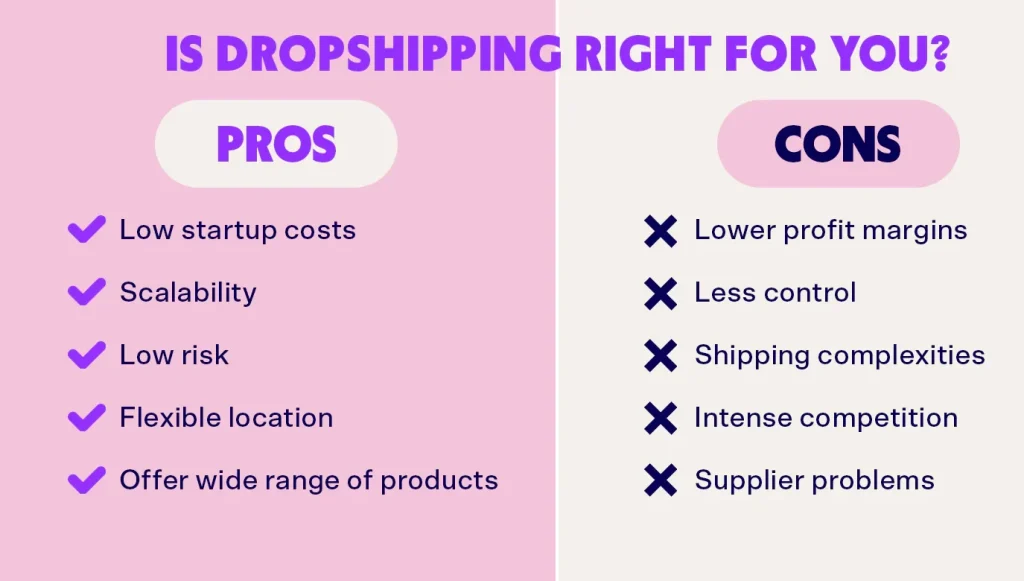
Dropshipping means you sell products without holding any stock yourself.
When a customer orders, you buy from a supplier who ships directly to them. Your upfront cost is low, but your profit margins are thinner.
Selling your own products gives you better margins and more control. You manage the stock, pack the orders, and handle delivery.
Selling your own stock takes more capital to start, but you build a real brand over time.
A good middle ground for beginners is to start with dropshipping to test a product idea.
Once a category proves itself, you move toward stocking your own inventory. That way, you do not sink money into products people do not actually want.
Step 2: Register Your Online Business in Tanzania
Every online business in Tanzania must be registered with the Business Registration and Licensing Agency (BRELA).
This is the government body that handles all business registration and licensing across the country.
Registration happens through BRELA’s Online Registration System, or ORS, which you can access at ors.brela.go.tz.
Start by creating an account using your National Identification Number (NIN). Once logged in, you enter your business details and pay the registration fee online.
You can pay through M-Pesa, Tigo Pesa, Airtel Money, or bank transfer.
You then need a Tax Identification Number from the Tanzania Revenue Authority (TRA).
This is free to obtain and is required before you can legally earn income from your store.
The 13 E-Commerce Reliability Standards You Must Follow
Tanzania’s e-commerce council requires all registered online stores to follow 13 reliability standards.
These are not suggestions; they are legal requirements for any store with a registration certificate.
Meeting them also builds real trust with customers. Here is what your store must have to stay compliant:
- A visible contact phone number
- A working email address for customer communication
- A live chat option, such as WhatsApp or Messenger
- Secure electronic payment through official banking channels
- An online complaint submission channel
- A social media complaint channel
- Clear product descriptions and pricing in Tanzanian shillings
- A visible return and refund policy
- An FAQ page addressing common customer questions
- A privacy policy explaining how customer data is used
- A terms and conditions page
- A secure checkout using HTTPS
- An accessible about us page describing the business
Step 3: Pick the Right E-Commerce Platform
Not all platforms are built with Tanzania in mind. Global platforms like Shopify and BigCommerce were designed primarily for the US and European markets.
They often lack native integration with M-Pesa, Tigo Pesa, and Airtel Money. That means extra setup work and additional costs.
WordPress-based WooCommerce is the best open-source alternative. It comes with mobile money payment integration plugins and Swahili language support baked in.
Hosting Requirements for an Online Store in Tanzania
Running an online store in Tanzania starts with choosing the right hosting provider.
For most small to medium stores, VPS or ecommerce-optimized cloud hosting is the sweet spot since it gives you reliable speed, dedicated resources, and room to grow.
You’ll want to go with a local or East Africa-based provider if your customers are in Tanzania, because you get faster load times, support in Swahili and English, and the ability to pay in TZS via M-Pesa or Airtel Money.
Non-negotiables on the technical side include an SSL certificate, at least 99.9% uptime, SSD storage, mobile payment integration, and regular backups.
Registering a .co.tz domain also builds trust with local customers and improves your search visibility within the country.
What Every Tanzanian Online Store Must Have
Over 80% of Tanzanian internet users browse primarily on mobile devices.
A store that looks good on a desktop but breaks on a phone will lose most of its potential customers at the first click.
Mobile-first design is the baseline, not a bonus feature.
Integrated logistics is another key feature. The ability to track orders, manage returns, and coordinate with courier services from inside your platform saves a lot of time.
Handling these tasks through separate systems creates friction and mistakes.
Step 4: Set Up Payment Methods That Tanzanians Actually Use
Mobile money is the heartbeat of digital payments in Tanzania. Customers are deeply familiar with M-Pesa and Tigo Pesa.
They use these services for everything from paying rent to splitting restaurant bills.
Offering them in your store removes the single biggest barrier to completing a purchase.
When a customer can pay with a single tap from their existing mobile money account, your conversion rate goes up.
When they cannot, many of them abandon the cart entirely. The data support this consistently across East African e-commerce markets.
Step 5: Build and Launch Your Store
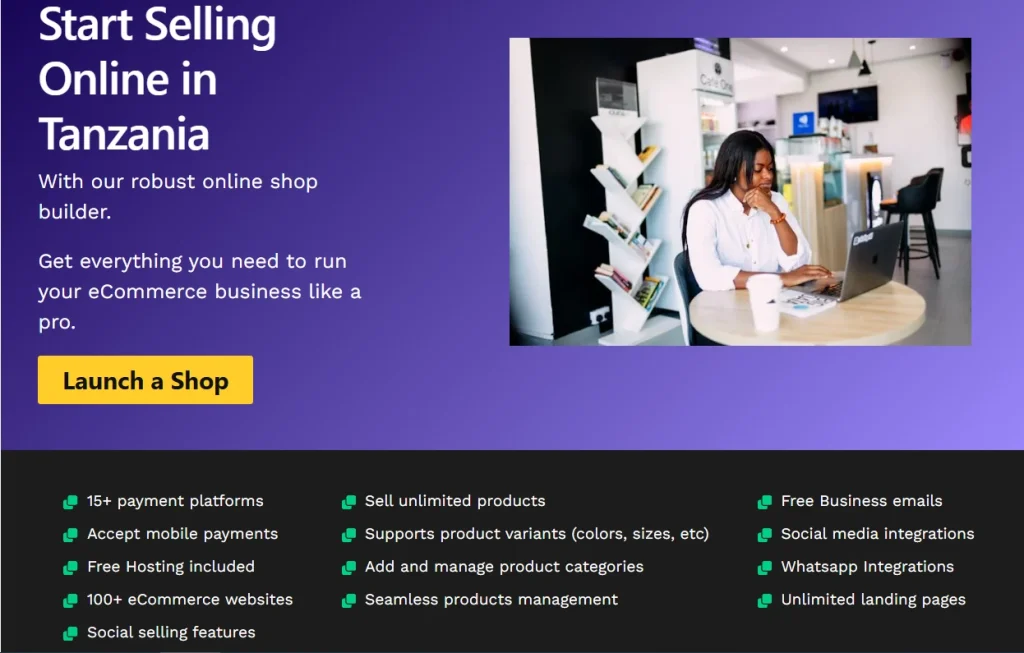
Your product page has one job: get a stranger to trust you enough to hand over money. Every element on that page either builds trust or erodes it.
Start with images that load fast without losing quality. Blurry or slow-loading photos are a trust killer on mobile connections.
Write your product titles and descriptions in both English and Swahili. Tanzanian customers search in both languages, and a bilingual store ranks in more local search results.
It also signals to shoppers that your business was built with them in mind.
Price everything in Tanzanian shillings (TZS). Displaying prices in USD or euros creates confusion and a sense of distance.
A customer who sees a price in a familiar currency is more likely to feel comfortable clicking ‘Buy Now.’
Must-Have Pages Before You Go Live
A store without supporting pages looks unfinished. Customers who cannot find basic information leave quickly.
Make sure these pages are ready before you share your store link with anyone.
- About Us: Who you are, where you are based, and what you sell
- Contact Page: Phone number, email, and WhatsApp link
- FAQ: Answer the top 5-8 questions your customers will ask
- Privacy Policy: How you collect, store, and use customer data
- Terms and Conditions: The rules governing purchases
- Returns and Refunds Policy: Clear timelines and processes
- Shipping Information: Delivery areas, timelines, and costs
Step 6: Drive Traffic to Your Online Store
Over 7 million Tanzanians use social media, and most are under 35. They are mobile-first users who respond well to local, relatable, and visual content.
That makes social media one of the most cost-effective channels for new stores with limited advertising budgets.
Set up proper business accounts on each platform before you start posting.
On Instagram, go to Settings, then Account, then switch to a Professional Account.
For TikTok, switch to a Business Account under Manage Account. On Facebook, create a dedicated Business Page for your store.
Post consistently, aiming for 3-5 times per week. You do not need fancy equipment.
A smartphone, good lighting, and a clean background are enough to produce content that converts.
Show the product in use. Show real people using it. That approach outperforms polished studio photography for most Tanzanian audiences.
SEO for Tanzania: Rank on Google Without Paying for Ads
Search engine optimization helps your store appear when someone searches for a relevant query on Google.
In Tanzania, that means targeting both English and Swahili search terms. Start with the keywords your customers actually use, not the ones that sound most professional.
Create region-specific pages for Dar es Salaam, Arusha, Mwanza, and Dodoma if you serve those areas.
A page titled ‘Buy Phone Accessories in Arusha’ will rank in local searches that a generic homepage never would.
That kind of localization brings in buyers who are closer to a purchase decision.
Frequently Asked Questions
What do I need to legally register an online business in Tanzania?
You need to register with BRELA through the ORS portal at ors.brela.go.tz. From there, you get a TIN from TRA and comply with the 13 e-commerce reliability standards. A National Identification Number (NIN) is required to create your ORS account.
Which payment methods work best for online stores in Tanzania?
Mobile money is the most widely used payment method in Tanzania. M-Pesa, Tigo Pesa, and Airtel Money are the three main services your store should accept.
For customers outside Tanzania, cross-border gateways like Klasha, Pesapal, or Selcom give you additional coverage.
What is the best platform to build an online store in Tanzania?
It depends on your budget and how technical you are. WooCommerce works well if you are comfortable adding plugins.
Shopify requires additional setup to support local payment methods and incurs a higher monthly cost in USD.
Do I need a business license to sell online in Tanzania?
Yes, all businesses operating within Tanzania, including online shops, require a valid business license.
How do I build customer trust for a new online store in Tanzania?
Start by displaying a clear return policy and contact details. Add real customer reviews as soon as you get them.
Having an active social media presence, especially on Instagram and Facebook, also helps people feel confident that your store is real and responsive.
How do I open a small online shop?
Starting an online store in Tanzania is one of the smartest moves you can make right now.
The market is growing fast. More Tanzanians are shopping online every single day. Mobile money has made paying easier than ever.
However, opportunity means nothing if your store keeps going down. Your hosting is the foundation on which everything else sits.
Truehost gives you fast, reliable ecommerce hosting. The prices make sense for the Tanzanian market. Get started today and give your store the home it deserves.