 Web HostingMost affordable shared hosting from TZS 9,100 per year
 Dedicated ServersExperience unmatched power and control with a physical server in Tanzania.
 WordPress HostingHigh-Speed, Tanzania-Optimized WordPress Hosting
 Windows HostingOptimized for Windows-based applications and websites
 cPanel HostingUser-friendly hosting powered by cPanel
 Email HostingProfessional Tanzanian email hosting for your .co.tz domain (Secure, reliable, and Swahili-supported)
 Reseller HostingLaunch your own hosting business with minimal technical requirements
 Affiliate ProgramEarn referral commissions by promoting our services
 DomainsFind and register available domain names in seconds
 Domain TransferMove your domain to us with zero downtime and full control
 .co.tzSecure the trusted .co.tz domain made for Tanzanian businesses.
 .tz DomainClaim the official .tz domain for national trust and recognition.
 .com DomainSecure the trusted .com domain for Tanzanian businesses.
 Supported Tlds (glTLDs and ccTLDs)Browse and register domain extensions from around the world
 Whois Lookup | Find Out Who Owns a DomainLook up domain ownership, expiry dates, and registrar information
 VPS
VPS VPS Hosting TanzaniaDedicated resources. Tanzanian performance. Full server control.
 Managed VPS TanzaniaNot a tech expert? Choose a managed Tanzania VPS.
 Website BuilderEasily build beautiful websites with drag-and-drop simplicity.
 Online ShopLaunch a professional e-commerce store without writing code.
 BlogFind latest business, marketing, and tutorials
 Contact UsContact Truehost TZ | 24/7 Web Hosting Support
Picture this. You finally launched your website! You’ve got the perfect domain, a catchy design, and a few blog posts ready to go. But when you click “publish,” nothing loads. Just a blank page and endless waiting.
Not knowing what to do, you call your friend who’s good with computers, and they ask, “Did you set up your web server or just buy hosting?” That’s when it hits when you’re not even sure what those mean.
But don’t worry! The confusion between web hosting and web server is common to many website owners, especially beginners.
Thus, in this guide, I’ll unpack the real difference between web servers and hosting. You’’ learn what each means and how to choose the right setup.
What Is Web Hosting?

Web hosting is the service that makes your website visible on the internet. When you create a site, its files like text, images and code must sit on a computer that is always online.
So, a web host provides that computer space plus the network, the electricity and the technical systems that let people open your pages from anywhere. This means the host looks after the physical or virtual machines, keeps the connection to the internet working, and handles basics like backups and access to your files.
Web hosting also includes tools you use to manage the site. These can be control panels, automatic software installers, email services and reports that show how many people visited your site.
Types of Web Hosting
Not every website needs the same kind of power. That’s why different hosting plans exist.
At Truehost, one of the most reliable and affordable web hosting companies in Tanzania, you’ll find several options built for different goals, budgets, and technical levels.
Here’s what each means for you:
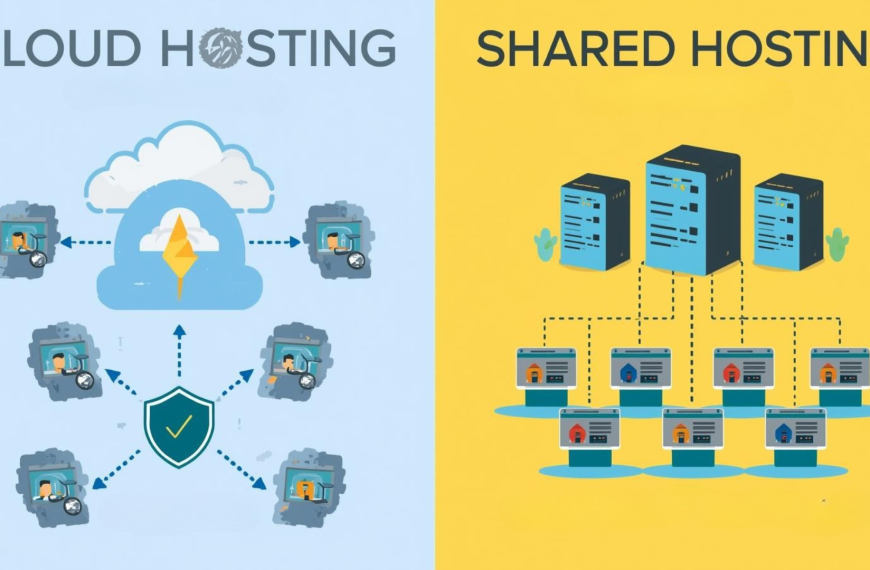
- Shared Hosting: This is the most common and beginner-friendly plan. Your website shares space and resources with other websites on the same server. Plus, it’s affordable and perfect if you’re starting a small business, personal blog, or school project.
- VPS (Virtual Private Server) Hosting: VPS hosting gives you a portion of a physical server that acts like your own private machine. Thus, you get more control, speed, and stability than shared hosting which is ideal if your site is growing or attracting steady traffic.
- Dedicated Server Hosting: Here, the entire server belongs only to you hence no sharing. That means you have full control over the system, software, and resources making it ideal for big e-commerce sites or government institutions that need reliability and top-level security.
- Cloud Hosting: With cloud hosting, your website runs on several connected servers instead of just one. This makes your site faster and more reliable because it can handle sudden traffic surges easily.
- Windows Hosting: This hosting runs on Microsoft’s Windows operating system and supports technologies like ASP.NET and MSSQL. So, if your site or app is built using Microsoft tools, this is the right choice for smooth compatibility and performance.
- Reseller Hosting: Reseller hosting lets you create and manage multiple hosting accounts under your name. It’s perfect if you design websites or run a digital agency in Tanzania and want to offer hosting as an added service.
Advantages of Web Hosting Over a Web Server
The biggest advantage of using web hosting instead of managing your own web server is convenience. In other words, you don’t need to buy hardware, rent space in a data center, or worry about the technical setup because everything is ready and managed by the hosting provider.
The second major benefit of web hosting is support and accessibility. For example, you get access to control panels like cPanel or Plesk, which make managing your website as easy as logging in and clicking a few buttons. Plus, reliable hosts like Truehost provide local support in familiar time zones and often in Swahili or English, making it easier to get help when you need it.
Other key advantages include:
- Scalability: You can easily upgrade your hosting plan when your site grows, without moving data manually or reconfiguring servers.
- Affordability: Shared and VPS hosting plans cost far less than buying or renting a full server.
- Security: Hosting providers use firewalls, SSL certificates, and regular backups to protect your website and data.
In short, web hosting gives you a complete environment to run your website safely and smoothly without the hassle of maintaining a physical or virtual server yourself. For most businesses and individuals in Tanzania, it’s the smarter, more cost-effective choice.
Disadvantages of Web Hosting Compared to a Web Server
While web hosting offers convenience, it also comes with certain limitations. The biggest drawback is reduced control. Since you’re sharing infrastructure with other users, you can’t fully customize server settings or install specific software that requires root access. This can be restrictive for developers or businesses that need advanced configurations.
Another downside is dependence on your hosting provider’s performance and policies. If the host’s server slows down or goes offline, your website is affected too even if your own setup is perfect. You also need to follow their rules on bandwidth, file size, or security tools.
Finally, web hosting costs can increase as your needs grow. While the entry-level plans are affordable, the dedicated servers or VPS hosting cost more , especially when you need higher resources, better security, or custom applications.
What Is a Web Server?

A web server is a special computer that stores and delivers your website’s files like text, images, and code to visitors when they open your site in a browser. It listens for requests for example, when someone types your web address and then sends back the right page almost instantly.
Beyond storage, a web server also processes your site’s code and ensures everything loads correctly. It works with web technologies like HTML, PHP, or JavaScript to build and display your pages in real time. Popular examples include Apache, Nginx, and Microsoft IIS, which together power most websites online.
In simple terms, the web server is the engine behind your website. Without it, your site would just be a collection of files sitting on a computer, never reaching anyone online.
Types of Web Servers
Web servers come in different types, each designed to handle specific needs and technologies. For example, here are the most common types you might encounter:
- Apache HTTP Server: This is one of the most widely used open-source web servers in the world. Apache is reliable, flexible, and works with many web applications, thus a solid choice if you want stability and a broad range of support.
- Nginx: Known for handling high traffic efficiently, Nginx can manage many simultaneous connections without slowing down. It’s often used by websites that expect large numbers of visitors or need fast load times.
- Microsoft IIS (Internet Information Services): Built for Windows servers, IIS integrates smoothly with Microsoft technologies like .NET. It’s ideal for websites or applications that rely on Microsoft software.
- LiteSpeed: Designed for high performance, LiteSpeed serves both static and dynamic content quickly. It is compatible with Apache configurations, making it easy to switch without changing your website setup.
- Java Servlet/Web Servers (e.g., Tomcat): These servers are built for Java-based applications and enterprise solutions. They are commonly used for complex web applications, large-scale systems, and environments that need strong reliability and scalability.
Advantages of a Web Server Over Web Hosting
The main advantage of running your own web server is complete control. You decide how the hardware is set up, which software to install, and how everything is configured. This freedom allows you to tailor the server to your exact needs, from performance optimization to security measures.
Another major benefit is dedicated resources. Unlike shared web hosting, there are no other websites on your server using the CPU, memory, or bandwidth. This ensures consistent performance, faster load times, and the ability to handle higher traffic without slowdowns.
Lastly, with a web server, you gain full control over every layer of your website environment. You can tune performance, implement advanced security measures, and install any software you need. For businesses or developers, this level of flexibility is ideal for running large websites, complex applications, or high-traffic e-commerce platforms.
Disadvantages of a Web Server Compared to Web Hosting
The biggest downside of running your own web server is cost and complexity. You are responsible for purchasing and maintaining the hardware, keeping the software updated, and securing the server against threats. All of this can quickly become expensive and time-consuming.
You also need technical knowledge or staff to manage the server properly. Without experience, it’s easy to misconfigure settings, leave security gaps, or struggle with performance issues. For many small businesses in Tanzania, this can be a significant challenge.
Finally, there is the ongoing management overhead. Whether you use a physical machine or a virtual server, you must monitor resources, handle backups, and troubleshoot problems whenever they occur. This level of responsibility makes web servers better suited for larger organizations or developers with technical expertise.
Web Hosting vs Web Server: What Are the Differences?
Both web server and web hosting are essential for running a website, but each has its own use case. Therefore knowing these differences is important, especially when you are deciding which of the two your website requires to go online smoothly.
1) Setup and Management
With web hosting, you simply subscribe to a service. The hosting provider takes care of the servers, infrastructure, and basic configuration. So, you just focus on uploading your content and managing your website.
In contrast, a web server is a physical or virtual machine that you own, rent, or fully control. You are responsible for installing software, configuring settings, and keeping the server running smoothly.
2) Control and Customisation
Web hosting comes with some limits because the provider manages the environment. This makes it ideal for beginners or small business owners who don’t need advanced configurations.
On the other hand, owning a web server gives you full access and control over every aspect of the system. You can tweak performance, install specialized software, and customize security settings. This level of freedom is best for developers or enterprises with complex requirements.
3) Cost and Responsibility
Web hosting is usually more affordable upfront. The provider handles maintenance, security, and backups, reducing your responsibility.
However, running a web server is more expensive because you must cover hardware or virtual server costs, updates, and security yourself. Plus, the responsibility for uptime, troubleshooting, and performance falls entirely on you.
4) Purpose and Scale
Web hosting is perfect for small to medium websites, blogs, or local business sites that don’t need heavy traffic or complex setups.
Web servers on the other hand are better suited for large-scale applications, high-traffic websites, or projects that require custom configurations, advanced performance tuning, or enterprise-level security.
Web Server Vs Hosting: Summary Table
In a hurry? The table below gives you a clear, quick view of the main differences between web hosting and a web server so you can compare at a glance:
| Feature | Web Hosting | Web Server |
| Setup | Subscription service | Owned or rented machine |
| Maintenance | Provider handles | You handle |
| Control | Moderate | Full |
| Cost | Low to moderate | High initial + maintenance |
| Best for | Standard websites, ease of use | Custom apps, high traffic, full control |
| Scale | Scales with upgrades | Scales with hardware/config tuning |
Factors to Consider When Choosing Between Web Hosting and Web Server
Choosing between web hosting and a web server is not a hard thing as long as you know what factors to check based on your site priorities. For example, the following are the key tips to guide along:
- Traffic expectations: Ask yourself, how many visitors do you expect on your website? If you anticipate rapid growth or high traffic spikes, a server with dedicated resources or scalable hosting like cloud hosting may be necessary.
- Technical skill or support: Evaluate your knowledge to manage a web server, or availability of a team that can handle it. Otherwise, getting web hosting reduces those technical responsibilities.
- Need for custom code or specific software: If your website relies on custom applications, specific software, or specialized configurations, a web server gives you the flexibility you need. That’s unlike standard hosting plans that may limit what you can install.
- Budget considerations: How much can you spend now and over time? Hosting is generally cheaper upfront, while running your own server can involve higher initial costs and ongoing maintenance expenses.
- Support: If you prefer a hand on managing and administering your website, always consider web hosting. This is because hosting providers like Truehost have experienced customer support that become handy when you have issues to solve on your website. Otherwise, choosing a web server means you and your team can handle everything without needing support.
In summary, considering these factors will help you choose the option that fits your needs, ensuring your website performs well and grows smoothly.
Frequently Asked Questions (FAQs)
1) What is the difference between hosting and a web server?
The difference between hosting and a web server is that web hosting is a service that makes your website accessible online, while a web server is the physical or virtual machine that stores and delivers your site’s files. They work together, but a server alone does not make your site available on the internet.
2) What’s better, a host or a server?
Whether a host or a server is better depends on your needs. Web hosting is better for simplicity, lower cost, and minimal technical management. A web server is better if you need full control, custom software, and high performance, but it requires technical skills and ongoing maintenance.
3) Is a web server an example of a host?
No, a web server is not an example of a host. A web server is the hardware or software that stores your website, while a host uses one or more servers to provide a complete service, including management, security, and accessibility for your site.
Final Thoughts
The difference between web hosting and web server is mainly around what each does.
For example, a web hosting gets your site online quickly, with minimal technical hassle, and is ideal for blogs, small businesses, and standard websites. A web server on the other hand gives you full control, higher performance, and the flexibility to run custom applications but it requires technical skill and ongoing management.
Furthermore, when choosing between web server and hosting, consider your needs today and your growth plans for tomorrow. Think about traffic, technical skill, budget, and how much control you want over your website. Thus, with the right understanding, you can avoid common mistakes and ensure your site performs reliably.
For Tanzanian businesses or anyone looking for fast, reliable, and locally supported hosting, Truehost makes it easy to get started if you need web hosting. You get a service that combines performance, security, and support, letting you focus on growing your website instead of managing servers.