 Web HostingMost affordable shared hosting from TZS 9,100 per year
 Dedicated ServersExperience unmatched power and control with a physical server in Tanzania.
 WordPress HostingHigh-Speed, Tanzania-Optimized WordPress Hosting
 Windows HostingOptimized for Windows-based applications and websites
 cPanel HostingUser-friendly hosting powered by cPanel
 Email HostingProfessional Tanzanian email hosting for your .co.tz domain (Secure, reliable, and Swahili-supported)
 Reseller HostingLaunch your own hosting business with minimal technical requirements
 Affiliate ProgramEarn referral commissions by promoting our services
 DomainsFind and register available domain names in seconds
 Domain TransferMove your domain to us with zero downtime and full control
 .co.tzSecure the trusted .co.tz domain made for Tanzanian businesses.
 .tz DomainClaim the official .tz domain for national trust and recognition.
 .com DomainSecure the trusted .com domain for Tanzanian businesses.
 Supported Tlds (glTLDs and ccTLDs)Browse and register domain extensions from around the world
 Whois Lookup | Find Out Who Owns a DomainLook up domain ownership, expiry dates, and registrar information
 VPS
VPS VPS Hosting TanzaniaDedicated resources. Tanzanian performance. Full server control.
 Managed VPS TanzaniaNot a tech expert? Choose a managed Tanzania VPS.
 Website BuilderEasily build beautiful websites with drag-and-drop simplicity.
 Online ShopLaunch a professional e-commerce store without writing code.
 BlogFind latest business, marketing, and tutorials
 Contact UsContact Truehost TZ | 24/7 Web Hosting Support
Let me guess.
You’re trying to decide whether Cloud or VPS hosting is right for your website here in Tanzania.
And honestly, it’s a decision that can either push your business forward or slow it down in ways you don’t see until it’s too late.
I’ve been there, and I know how it feels.
Most people don’t choose hosting based on what they actually need. They choose based on what sounds modern or powerful.
But hosting isn’t about buzzwords.
It’s about speed, uptime, scalability, and how much control you want over your platform.
So let’s break everything down clearly and in a way that actually helps you decide the perfect choice between VPS hosting and cloud hosting.
What is Cloud Hosting?
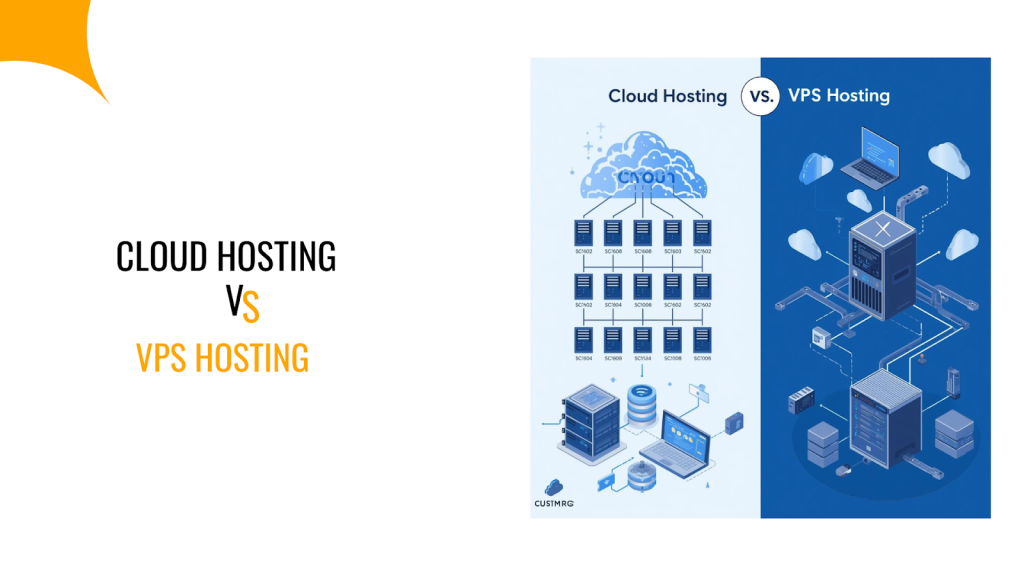
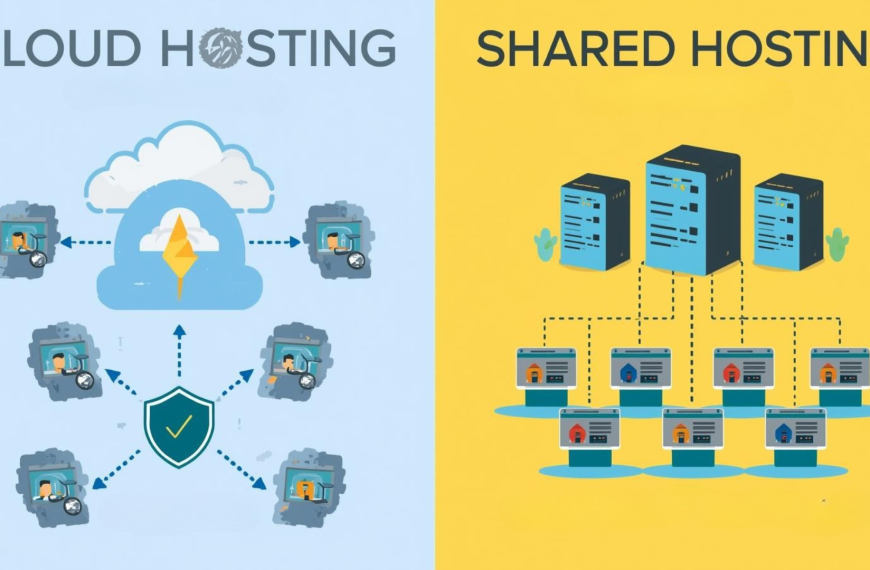
Cloud hosting stores your website on multiple connected servers rather than a single physical machine.
Think of it like having several generators powering your home. If one fails, the others keep the lights on.
That’s exactly how cloud hosting works.
Your website stays online even when one server experiences issues. Your resources adjust automatically.
Thus, you don’t have to worry about sudden traffic spikes slowing down your site.
This is why cloud hosting is so popular for fast-growing businesses, eCommerce stores, news sites, and apps.
Advantages of Cloud Hosting over VPS Hosting
If you run a website in Tanzania, you already know how frustrating and costly downtime can be.
One small outage and customers start calling. Sales disappear. Your reputation takes a hit.
With cloud hosting, that pressure drops instantly. Your website runs on multiple servers, not just one.
So even if one server in the cluster goes down, your site stays online. It feels like having a backup generator that kicks in before the lights even flicker.
Another thing I love about cloud hosting is how it handles growth.
Maybe your traffic jumps during promotions. Or maybe people rush to your site after you post something on TikTok.
Cloud hosting adjusts automatically. No manual upgrades. No server restarts. It simply scales with you.
The other benefits of cloud hosting include:
- Consistent uptime because your site is supported by multiple servers
- Automatic scaling during sudden traffic spikes
- Faster content delivery across different regions
- Pay-as-you-use pricing that lowers your bill during quiet months
- Great for fast-growing or unpredictable websites
Disadvantages of Cloud Hosting Compared to VPS Hosting
Cloud hosting is great, but it has its downsides too.
One issue is cost. Cloud hosting uses pay-as-you-go billing, which sounds good at first. But when your traffic suddenly spikes, your bill can jump with it.
Another thing you might notice is the level of control.
Cloud platforms automate almost everything. That makes life easier, but it also limits how deep you can go with your configurations.
Developers feel this the most.
If you want root access, custom environments, or very specific software setups, cloud hosting can feel a bit restrictive.
It does a lot for you, but sometimes you want to do things your own way.
What is VPS Hosting?
VPS hosting is basically your own private space on a powerful server.
You’re not squeezed in with hundreds of other websites like you are on shared hosting. Instead, you get your own CPU, RAM, and storage, separated from everyone else.
Think of it like moving from a crowded dorm room into your own apartment. You still share the building, but your space is yours. Your rules. Your privacy.
And that’s the beauty of VPS hosting. You get control. Real control.
You can install what you want, configure the environment the way you prefer, and fine-tune performance without waiting on anyone.
If you want a quick technical breakdown, you can read this simple guide on what a VPS is.
Advantages of VPS Hosting over Cloud Hosting
VPS hosting really shines when you want control and consistency.
Imagine running a busy website in Tanzania. You don’t want slow loading times or limits on what you can do.
With VPS hosting, you get your own dedicated slice of a server. That means your CPU, RAM, and storage are yours alone. No one else can take them.
Another big advantage is predictable performance.
Unlike cloud hosting, where resources shift depending on usage, VPS gives you steady, reliable performance. Your website loads fast, even if traffic grows suddenly.
And then there’s full customization. You can install the software you want, tweak settings, and set up your server exactly the way you need.
I’ve seen small Tanzanian businesses scale faster because they could optimize their VPS for their exact needs. You’re not waiting on someone else’s default setup.
Other benefits of VPS hosting include:
- Fixed monthly pricing for better budgeting
- Greater security and privacy since resources aren’t shared
- Root access for advanced configurations
- Ideal for high-traffic websites or resource-heavy applications
- Ability to run custom scripts, apps, or databases without restrictions
Disadvantages of VPS Hosting Compared to Cloud Hosting
VPS hosting is powerful, but it isn’t perfect.
First, one thing to keep in mind is scaling.
With VPS, if your website suddenly grows, you need to upgrade manually. It’s not instant like cloud hosting. That delay can be frustrating, especially during campaigns or viral traffic.
Another limitation is dependency on a single physical server.
Unlike cloud hosting, there isn’t an automatic failover. So, if that machine fails, your website could go down.
VPS also requires more technical skills. You handle configurations, optimizations, and security yourself.
So, unless you go for a managed VPS hosting plan, where Truehost handles it all, some knowledge is necessary.
Finally, VPS isn’t ideal for websites with highly unpredictable traffic. That’s because sudden spikes can overwhelm your server if you haven’t upgraded in time.
VPS Hosting vs Cloud Hosting: Quick Comparison Table
Choosing between cloud hosting and VPS hosting can feel tricky.
Both promise speed, reliability, and performance. But there are differences you should know, especially if you are deciding which option to choose.
Here’s a quick snapshot to make things clearer:
| Feature | Cloud Hosting | VPS Hosting |
| Uptime | Extremely high | High |
| Scalability | Automatic | Manual |
| Performance | Flexible | Consistent and powerful |
| Control | Limited | Full root access |
| Pricing | Usage-based | Fixed monthly |
| Speed | Optimized by the network | Optimized by dedicated resources |
| Best for | Growing businesses, unpredictable traffic | Developers, apps, stable high-traffic sites |
Let’s now go deeper into the key differences, so you can decide which hosting option truly fits your needs.
Cloud Hosting vs VPS Hosting
When deciding between cloud and VPS hosting, the differences go deeper than speed and uptime.
Let’s break it down, so you can choose the best fit for your website in Tanzania.
1) How Resources Are Allocated
Cloud hosting draws resources from multiple connected servers. This means it can adjust instantly if your traffic spikes.
VPS hosting, on the other hand, gives you a fixed slice of a single physical server.
So, if flexibility and instant adjustments matter, cloud wins, but if you want dedicated, consistent power, a VPS is stronger.
2) Reliability During Failures
Cloud hosting is resilient. If one server goes down, your website shifts to another automatically.
On the other hand, VPS hosting depends on a single machine. If that server fails, your site is affected directly.
And according to findings, even a few hours of downtime can hurt sales and credibility. This is particularly important for Tanzanian e-commerce websites relying on constant uptime.
3) Scalability and Growth
Cloud hosting scales automatically. No upgrades, no downtime, no stress. Thus, your website can handle sudden traffic surges with ease.
That’s unlike VPS hosting, which requires manual scaling.
Meaning, if your content goes viral or you launch a major campaign, you’ll need to upgrade fast to avoid slow performance.
4) Control and Customization
VPS gives you full root access. You can tweak settings, install custom apps, and configure your server exactly how you want.
Whereas cloud hosting is more managed. Thus, it’s easier for beginners, but you get less control.
So, for businesses building serious platforms, VPS provides the flexibility you need.
5) Pricing Model
Cloud hosting uses pay-as-you-go pricing, hence costs fluctuate with usage.
However, VPS hosting has predictable monthly pricing, so you always know your expenses.
6) Performance Consistency
VPS gives you dedicated RAM, CPU, and storage. Therefore, nobody else can use your resources.
On the flip side, cloud hosting performance is flexible, adjusting to available servers. Hence, if you need raw, consistent power for apps or databases, a VPS usually delivers better results.
7) Best Use Cases
Here’s an easy way to decide!
Cloud hosting is perfect for websites with fluctuating traffic like eCommerce stores, news portals, SaaS apps, and fast-growing startups.
On the other hand, VPS hosting is ideal for developers, agencies, high-traffic applications, CRMs, and websites needing stable, dedicated resources.
What to Consider When Choosing Between Cloud Hosting and VPS Hosting
Choosing the right hosting requires you to understand your needs and future growth.
For instance, in Tanzania, businesses face unique challenges like fluctuating traffic, limited budgets, and hence the need for reliable uptime.
So, here are the key factors I suggest thinking through before making your decision.
- Your Budget: If predictable monthly costs matter most, VPS hosting is a safer bet. You know exactly what to expect each month. But if you prefer pay-as-you-go flexibility, cloud hosting can save money when traffic is low.
- Your Traffic Behavior: Do you experience unpredictable spikes in visitors? Cloud hosting handles sudden surges effortlessly. But if you need stable but high resource usage, VPS ensures consistent performance without overpaying.
- Your Technical Skills: If managing server configurations feels overwhelming, cloud hosting is easier to navigate. VPS hosting only becomes powerful when managed professionally or via a managed VPS plan.
- Your Website Type: Different sites have different needs:
- E-commerce: Cloud hosting handles seasonal and viral traffic smoothly.
- Web apps & systems: VPS gives stable, dedicated resources.
- News or viral websites: Cloud hosting keeps pages loading even during traffic spikes.
- Large business websites: VPS provides consistent performance and customization.
- Agencies & developers: VPS allows full control and flexibility.
- Your Future Plans: Planning to scale quickly? Then, cloud hosting grows with you automatically. However, if you are looking for long-term stability and deep customization, VPS gives dedicated memory, CPU, and control.
- Security & Compliance: In Tanzania, data security is crucial, especially for payment and personal information. VPS hosting allows advanced security configurations, while cloud hosting provides managed security options.
In summary, considering these factors will make your choice easier and prevent costly mistakes.
Conclusion
Choosing between Cloud hosting and VPS hosting doesn’t have to feel complicated.
Here’s the short version.
Cloud hosting gives you flexibility, uptime, and automatic scaling. VPS hosting gives you power, control, and predictable pricing.
So ask yourself: Do you want hands-off flexibility…or hands-on performance?
Whichever direction you choose, at Truehost, we’ve built a hosting solution, optimized, fast, secure, and backed by 24/7 support.
So, if you want to move forward with confidence, explore our VPS hosting and cloud hosting plans at Truehost.
We’ll help you launch faster, scale smarter, and stay online always.